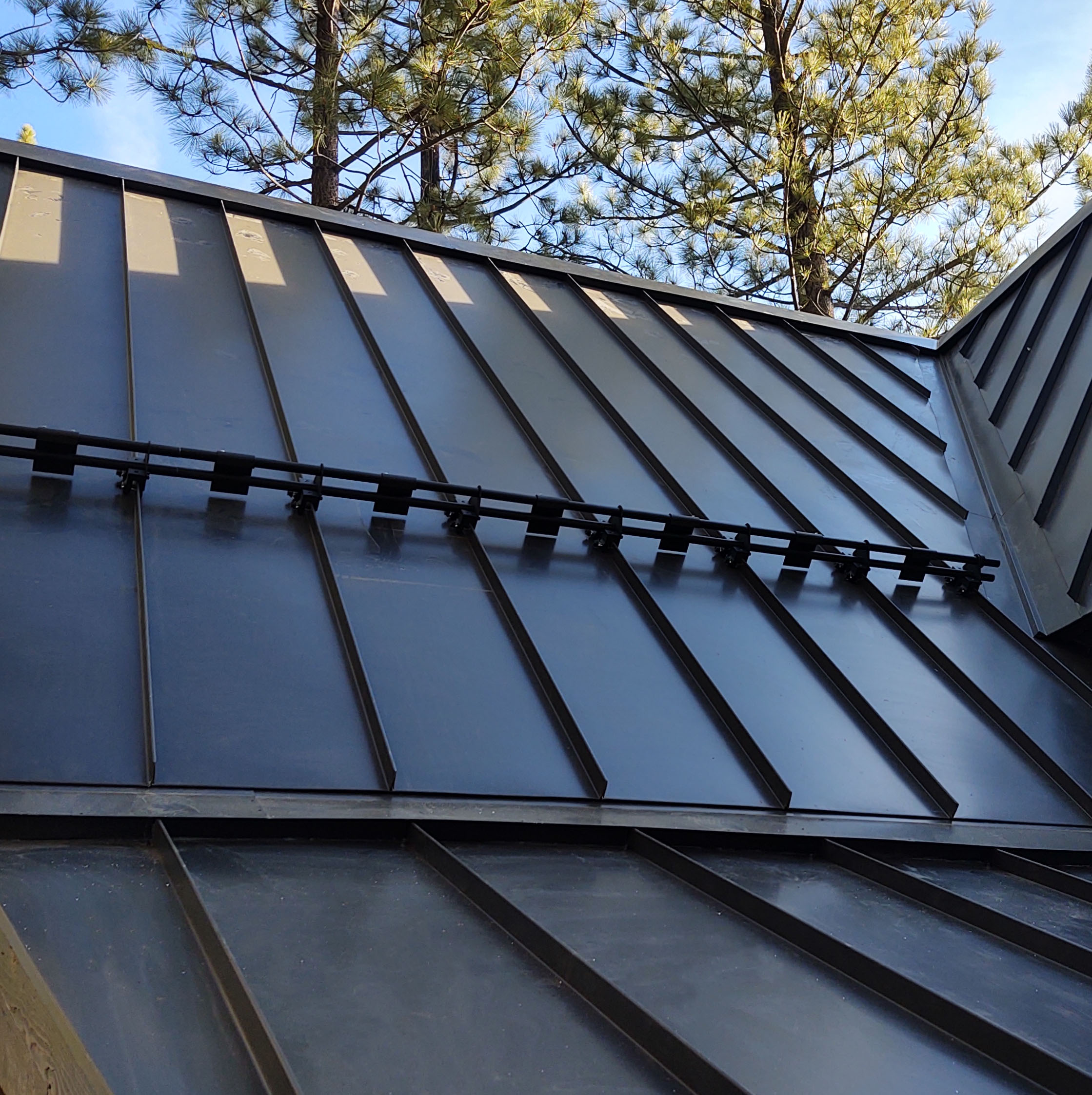
Metal Roof Restoration vs Replacement
When a metal roof shows its age, the choice between restoration and replacement has real consequences for cost and disruption. Understanding the comparison helps you make a sound decision. Here is how metal roof restoration compares to replacement for a The Reserve at Shiloh Creek commercial building.
The Cost Difference
The most significant difference between restoration and replacement is cost, with restoration typically costing well less than tearing off and replacing a metal roof. Restoration keeps the existing roof in place and renews it, avoiding the major expense of removal and a full new roof. For a The Reserve at Shiloh Creek building, this cost difference is often the deciding factor, since restoration delivers years more roof life at a fraction of the replacement cost. As a general guide, restoration coating runs in the approximate range of a few dollars per square foot, while replacement costs considerably more, though both depend on the specifics. This cost difference is a primary reason to consider restoration, since for a roof that qualifies, it provides substantial value compared to the much greater expense of replacement on the building.
Less Disruption to Operations
Restoration is also less disruptive than replacement, since renewing the existing roof involves less work, less noise, and less exposure of the building than tearing off and rebuilding the roof. For an operating commercial building, this reduced disruption is a real benefit, keeping the impact on the business lower. For a The Reserve at Shiloh Creek building, less disruption to operations is a meaningful advantage of restoration, since replacement is a larger, more intrusive project. The restoration renews the roof with less impact on the building and the business beneath it. This reduced disruption is part of what makes restoration appealing, since for a building where keeping operations running smoothly matters, the lighter footprint of restoration compared to a full replacement is a genuine advantage alongside the cost savings for the building.
When Restoration Makes Sense
Restoration makes sense when the metal roof is worn, leaking, or aging but still fundamentally sound, with problems that repair and coating can address. A roof with surface rust, failing seams, fastener issues, and a worn finish, but no extensive structural corrosion or damage beyond repair, is often a good restoration candidate. For a The Reserve at Shiloh Creek building, restoration makes sense when the roof has life left in it and its problems are addressable. The roof must be sound enough to renew rather than too far gone. Knowing when restoration makes sense, which depends on the roof being repairable and structurally sound, is what allows it to be used appropriately, getting years more from a metal roof that does not yet need replacement on the building.
When Replacement Is Necessary
Replacement becomes necessary when a metal roof is too deteriorated to restore, with extensive structural corrosion, damage beyond repair, or problems that a coating and repairs cannot adequately address. A roof that has corroded through, lost structural integrity, or failed extensively needs replacement rather than restoration. For a The Reserve at Shiloh Creek building, replacement is necessary when the roof is beyond restoring, since coating a roof that is too far gone would not last. The roof's condition determines whether restoration is possible or whether replacement is required. Knowing when replacement is necessary, which depends on the roof being too deteriorated to renew, is part of an honest assessment, since restoration only works on a roof that is sound enough to restore, and a failed roof needs replacing on the building.
Extending Life and Deferring Replacement
A key value of restoration is extending the roof's life and deferring replacement, getting years more service from the existing roof before the major expense of replacement is necessary. Restoration does not last forever, but it adds real service life, pushing the replacement further into the future. For a The Reserve at Shiloh Creek building, extending life and deferring replacement is a significant financial benefit, since every year of added roof life defers the replacement cost. The restoration buys time and protection at a fraction of the replacement expense. This extending of life and deferring of replacement is a central value of restoration, since for a roof that qualifies, it provides years of added service and delays the major cost of a new roof, which is sound financial management for the building.
An Honest Recommendation
Making the right choice between restoration and replacement requires an honest recommendation based on the roof's actual condition, not on what is easiest or most profitable to sell. A contractor who assesses the roof and recommends restoration when it fits or replacement when it is needed, explaining the reasoning, earns your trust. For a The Reserve at Shiloh Creek building, an honest recommendation is essential to the right decision, since the choice must match the roof. The Reserve at Shiloh Creek Metal Roofing recommends restoration or replacement based on an honest assessment, not a default or a sales preference. This honest recommendation protects you from both replacing a roof that could be restored and restoring one that should be replaced, ensuring the right choice for your metal roof on the building.
Weighing Restoration Against Replacement
Restoration costs less and disrupts less than replacement, and it makes sense for a worn but sound metal roof, extending its life and deferring replacement. Replacement is necessary only when the roof is too deteriorated to restore, which an honest assessment determines for a The Reserve at Shiloh Creek commercial building.
Get an Honest Restoration Assessment
Not sure whether to restore or replace your metal roof? Call The Reserve at Shiloh Creek Metal Roofing at {phone} for a free inspection of your The Reserve at Shiloh Creek commercial building. We assess your roof honestly and recommend restoration when it fits or replacement when it is needed, so you make the right choice for your roof and budget.